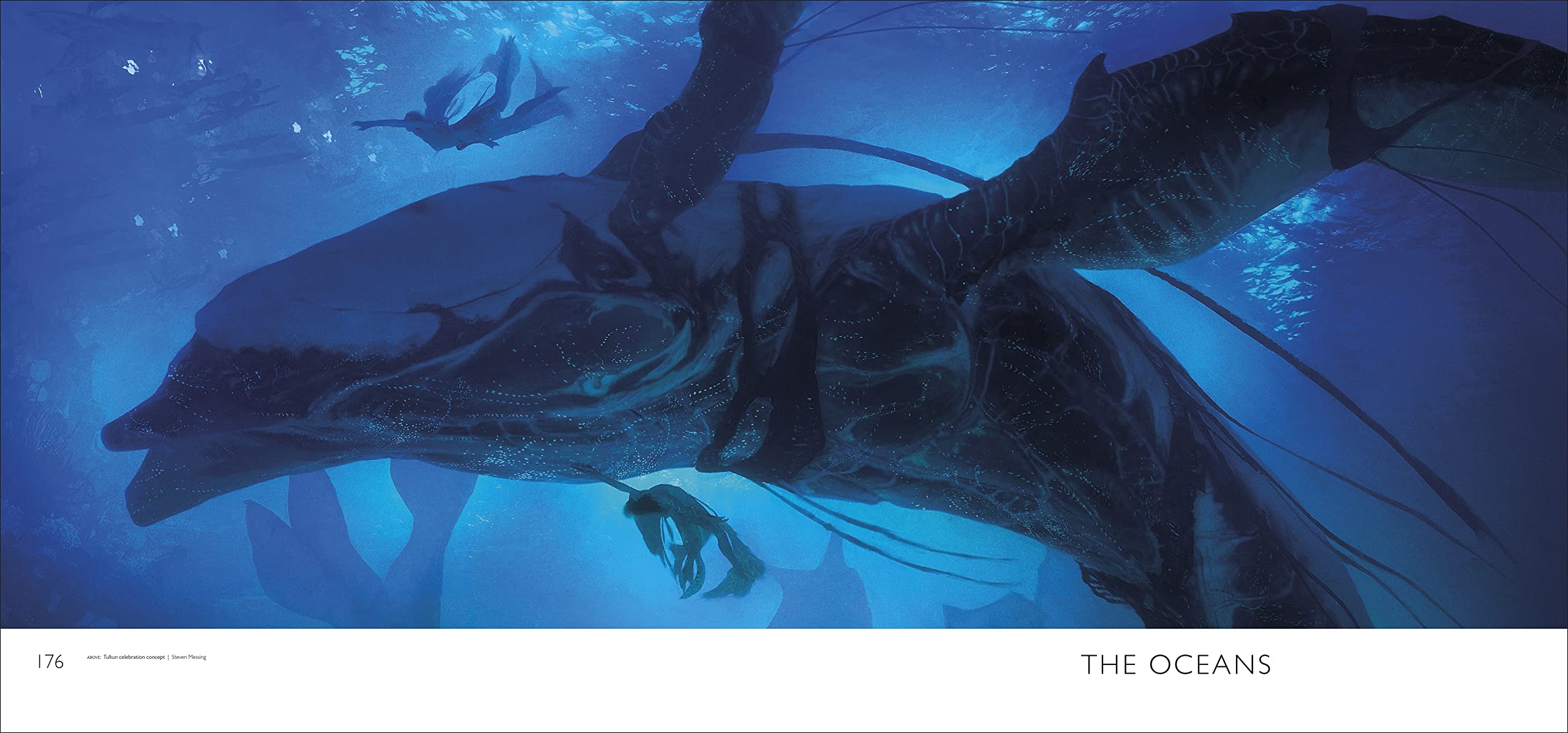

The Tulkuns are majestic, graceful, and highly intelligent creatures. They not only have a sense of right and wrong, but they have a culture of musicians, philosophers, and the “Tulkun Way.”
The Tulkun Way
The Tulkun Way is ancient. The leader of the Metkayina Clan, Tonowari, explains that the Tulkuns used to kill each other for territory and revenge. But “killing, no matter how justified, only brings more killing.” So, after much bloody warfare among the Tulkuns in ancient times, they decided it had to stop.
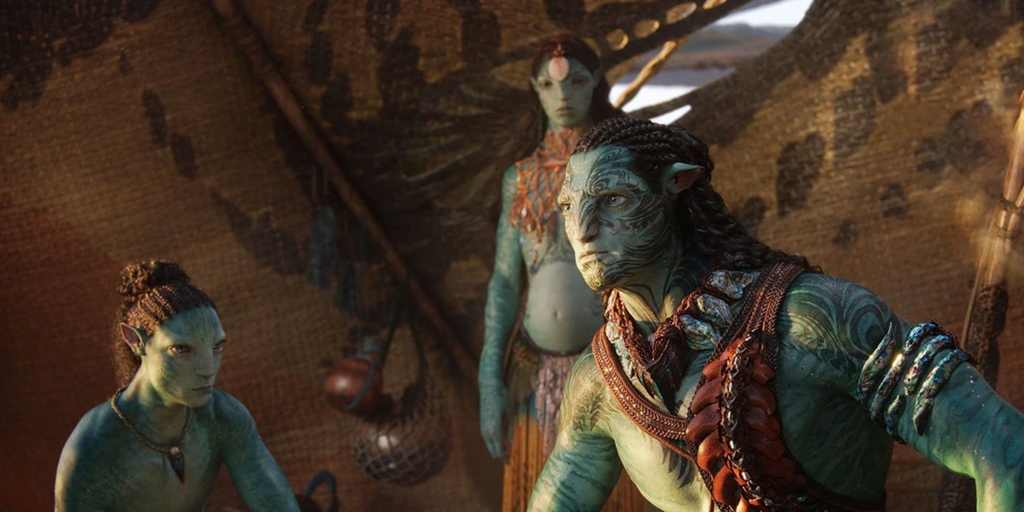
The Tulkun Way brought about the way of peace. It became a global phenomenon to change the violent ways of the past, namely, killing for territory and revenge. So, every Tulkun in the planet, if they choose violence, will be an outcast.
In Avatar: The Way of Water, the Tulkuns never fight back—except for one. His name is Payakan. And he’s become an outcast.
The Payakan Way
Payakan is exiled because he used violence. When his mother was killed by humans, he wanted to use violence to stop the humans from killing more Tulkuns. He wanted to destroy the “demon ship” once and for all so that no Tulkun will lose their mother and no Na’vi will lose their spirit brother or sister (Tulkuns). But his mission failed, and those who he recruited to fight was killed.
In the film, we see that a Tulkun calf lost his mother because of the demon ship’s violence, as the calf is always used to separate the mother from the flock of Tulkuns and then kill it. Perhaps events like this could have been prevented, or at least delayed, if Payakan succeeded in destroying the demon ship.

However, Payakan eventually became a hero, right? Although he is an outcast, he did indeed succeed in his mission to destroy the demon ship at the end of the film.
Ethics
This brings us to ethics: is the Payakan Way or the Tulkun Way right?
Payakan vs. Tulkuns represent two streams of ethics in real life. In other words, they both have a different way of deciding what is right and what is wrong.
For Payakan, violence can be right. For Tulkuns, violence cannot be right. In fact, according to the Tulkun Way, violence can never be right.
Payakan’s ethics is called “consequential ethics” while the Tulkun ethics is called “deontological ethics.” In real life, we use both kinds of ethics all the time. But what are they? Do not be intimidated by their names.
Consequential ethics says that something we do is right or wrong based on the consequences. Sometimes this is called ethics based on outcomes.
Deontological ethics says that something we do is right or wrong no matter the consequences. Sometimes this is called ethics based on duty.

So, for Payakan, the consequentialist: violence is right or wrong based on the consequences. If the outcome of using violence against the demon ship is putting a stop on Tulkun-hunting or bringing about the survival and happiness of Tulkuns, then according to consequential or outcome-based ethics, violence is right.
However, for Tulkuns, the deontologists: violence is wrong no matter the consequences. If the duty is to never use violence, then according to deontological or duty-based ethics, violence is wrong. Violence is always wrong and never right. This is their tradition. This is the Tulkun Way.
Violence is always wrong and never right. This is their tradition. This is the Tulkun Way.
So, should we follow the duty-based tradition of the Tulkuns or the outcome-based morality of Payakan?
For Payakan, the use of violence is motivated by altruism—or for the happiness of the Tulkuns and their spirit siblings, the Na’vis. For example, Payakan uses violence to save Lo’ak from being eaten by a shark and from being shot by Quaritch on the demon ship.
But perhaps a better question is not whether we should be consequentialists or deontologists, but whether we should be wise.
Wisdom

Ethics is not just about right or wrong, nor it is just about good or bad. It’s also about wisdom.
Sometimes wisdom is a paradox. What is wise in one situation is not wise in another situation. Take the example of St. Mother Teresa and St. Joan of Arc, who are heroes in Catholicism.
Ethics is not just about right or wrong, nor is it just about good or bad. It’s also about wisdom.
According to G.K. Chesterton (who is sometimes called the master of paradoxes), Catholicism keeps its beliefs “side by side like two strong colors, red and white. It has always had a healthy hatred of pink.” It loves the combination of bold opposites, like red and white, so that the full energy of both is celebrated instead of diminished.
One great example of bold opposites are two heroes of Catholicism: the peace-loving Mother Teresa and the warrior-mighty Joan of Arc.


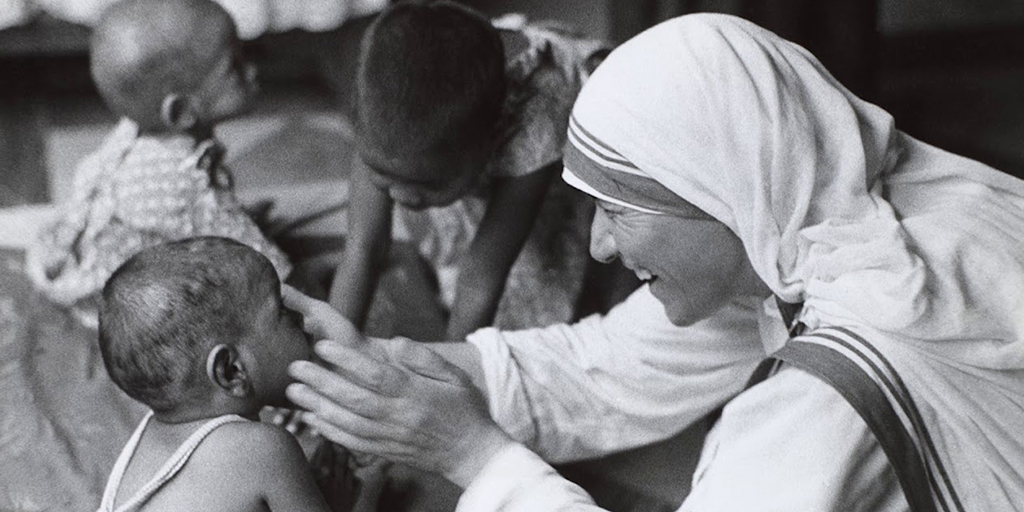
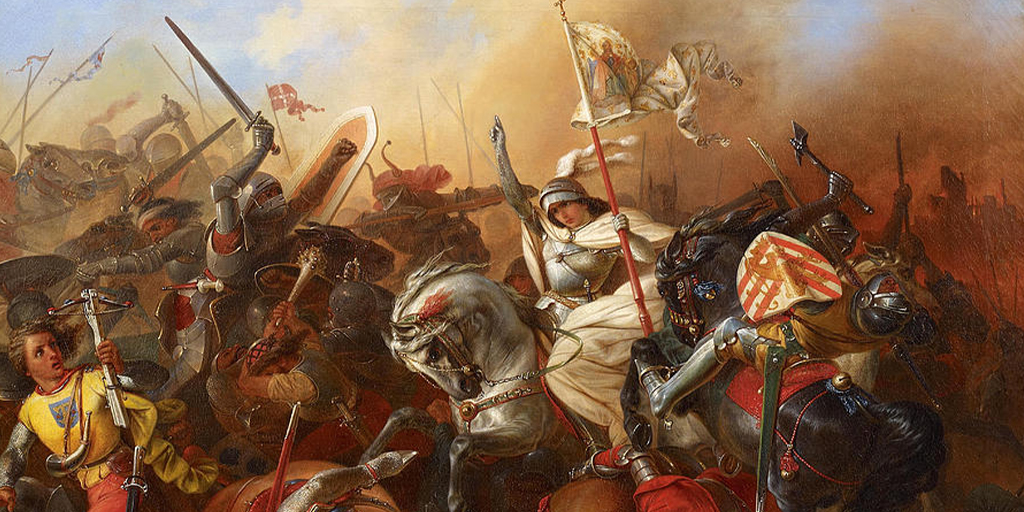
We can say that James Cameron also combines bold opposites: the peace-loving Tulkuns and the warrior-mighty Payakan. And why Catholicism honors both Mother Teresa and Joan of Arc is because they are both wise. Mother Theresa is wise to spread peace in her time and Joan of Arc wise to fight in her time.
“Wisdom is in the particulars.”
In other words, wisdom is about doing what is best in particular times and situations. Sometimes what is wise in one situation is not wise in another situation.
Payakan Against (and For) the World
This is why Payakan is an anti-hero.
It was Payakan against the world (outcasted by Tulkuns) who was also for the world (protecting the Tulkuns). In other words, he was wise to use violence, against the Tulkun Way, but for the sake of global peace that is envisioned by the Tulkun Way.
And it is tragic that Payakan must use violence, but he must do so because the humans were first violent against his mother, and other Tulkun mothers, and their Na’vi spirit brothers and sisters. Payakan, then, had two choices: either let his loved ones die by not using violence or save his loved ones by using violence.
The ultimate moral lesson is that we should not use violence in the first place. And this is the paradox of Avatar: The Way of Water, which is a film that uses violence to promote non-violence.


The Tulkun Way, which is a pacifist philosophy, is a beautiful philosophy. And “philosophy” means the love of wisdom. May we all pursue the love of wisdom to dignify all life on this earth.
Oel Ngati Kameie,
– Pandoran Philosopher
 PANDORAN PHILOSOPHER